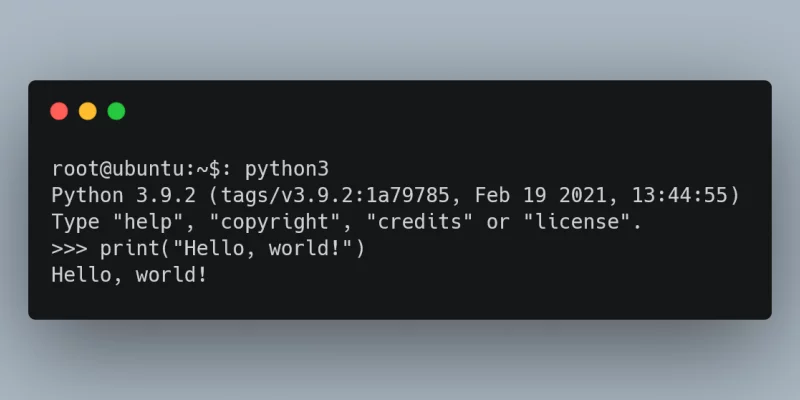
In this Pydon't you'll learn how to make the best use possible of the Python REPL.
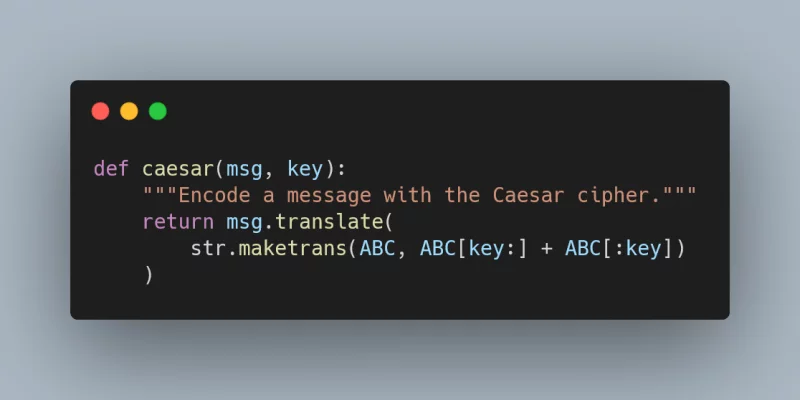
In this Pydon't you will learn the Python string methods translate and maketrans.
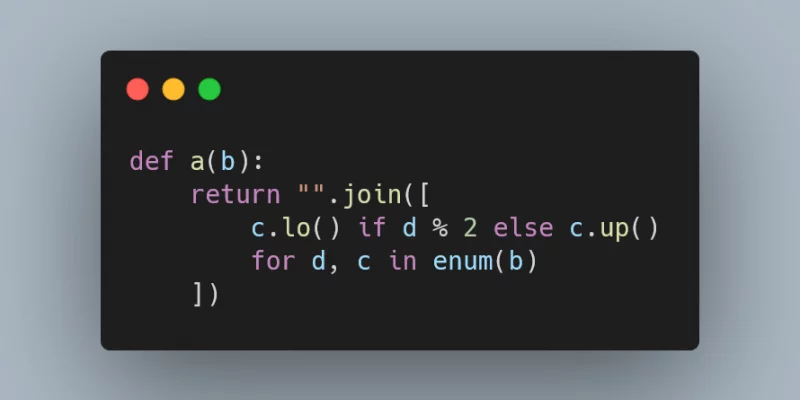
In this Pydon't you'll learn the importance of using good names and I'll give some tips to help you.

In this article of the NNFwP series we'll do the “student-teacher” experiment with two neural networks, where one network will learn directly from the other.
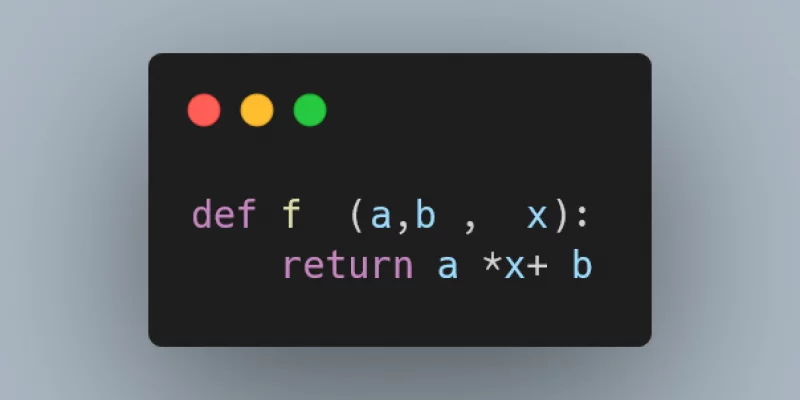
In this Pydon't I talk about Python style and I go over some tools you can use to help you remain within a consistent style.
In this Pydon't I show you why refactoring is important and show you how to do it in little steps, so that it doesn't become too overwhelming.
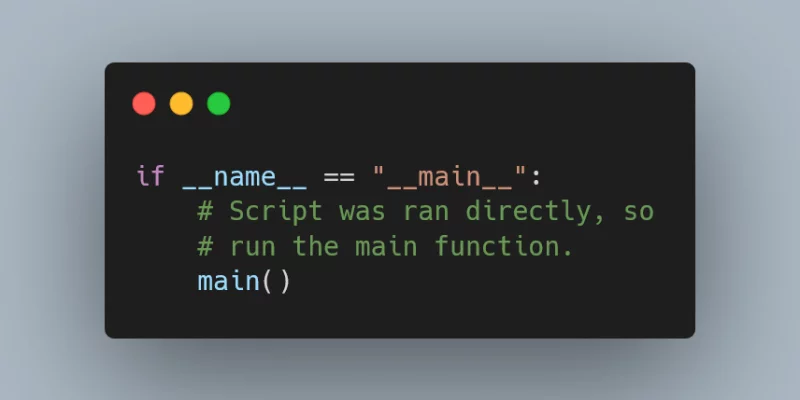
This Pydon't walks you through the usages of the
__name__ dunder method and how to use it effectively.
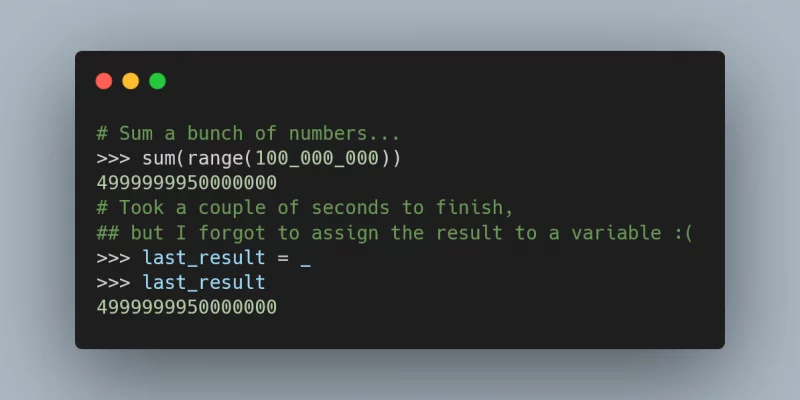
The purpose of this Pydon't is to show you what underscores are used for in Python, and to show you how to write more idiomatic code with them.
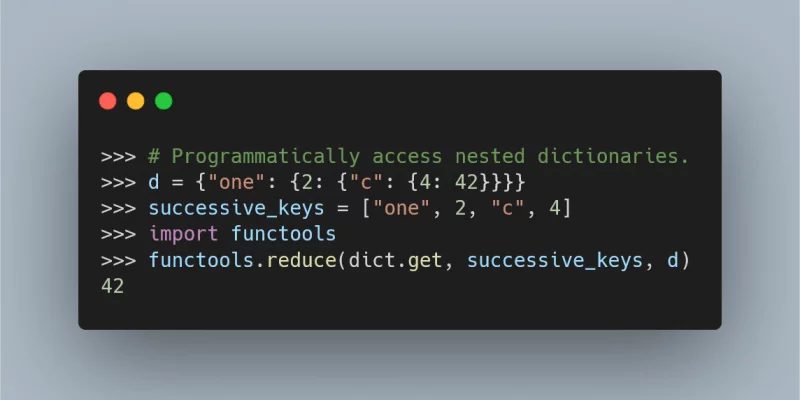
In this Pydon't we will take a look at the reduce function,
which used to be a built-in function and is currently
in the functools module.
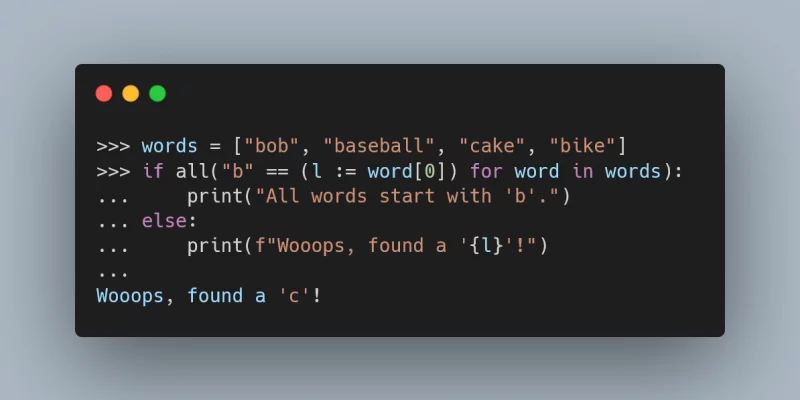
In this Pydon't we explore what Boolean short-circuiting
for the and and or operators is, and how to use this
functionality to write more expressive code.
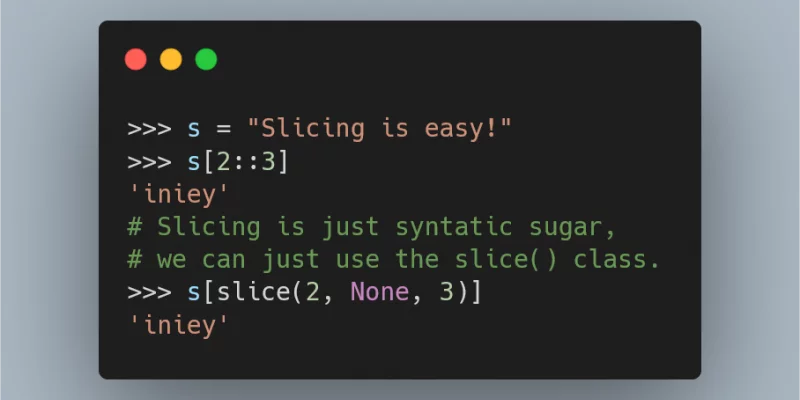
In this Pydon't we conclude the slicing trilogy and
take a look at the inner workings of Python slicing,
from the built-in slice type to the dunder method
__getitem__ and its siblings.
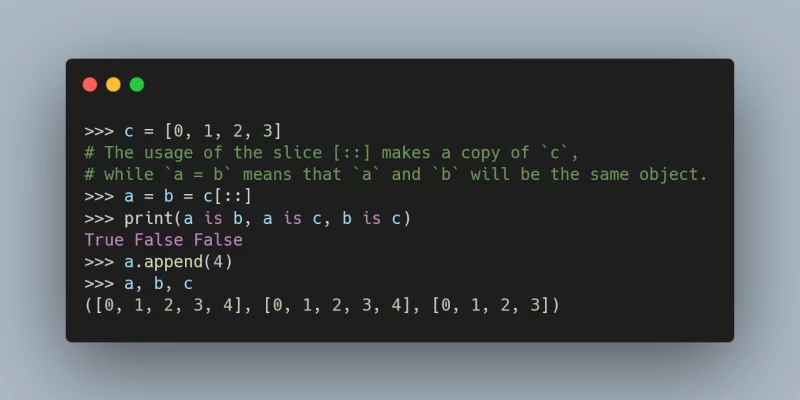
In this Pydon't we cover advanced topics related to sequence slicing, like (negative) steps, more idiomatic sequence slicing, slice assignment, and slice deletion.

In the fifth article of this short series we will be handling some subtleties that we overlooked in our experiment to classify handwritten digits from the MNIST dataset.
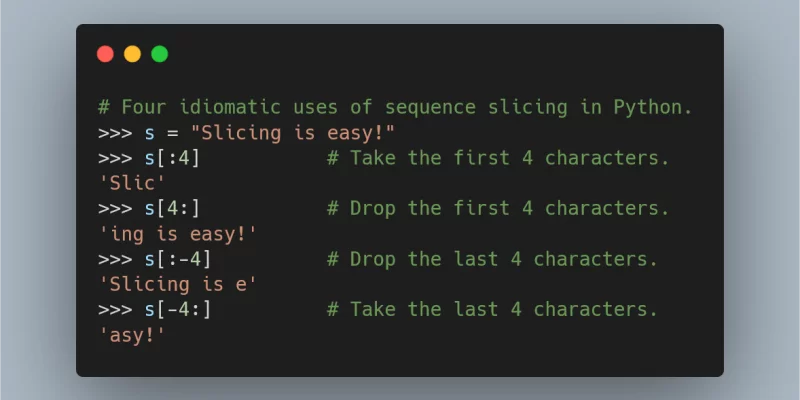
This article covers the basics of sequence slicing in Python and teaches you some idiomatic slicing patterns to write more elegant code.
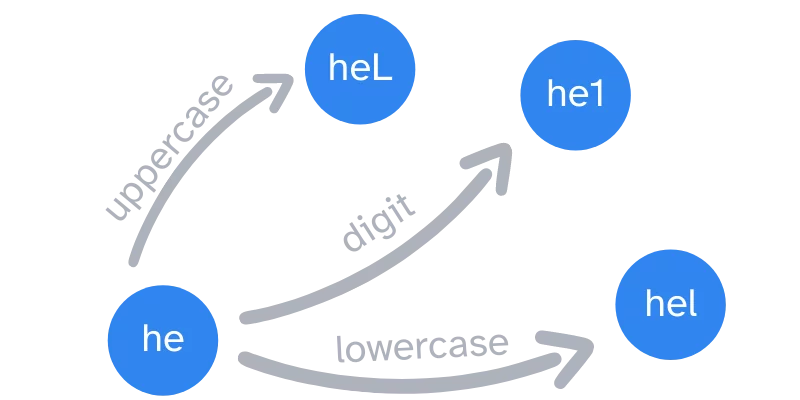
In this article we use (finite state) automatons to count 698,438,863,898,480,640 passwords in a couple milliseconds.
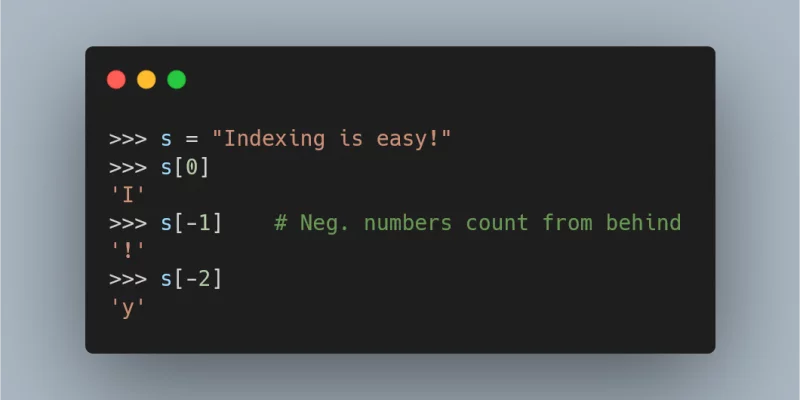
A short article with all you need to know about sequence indexing in Python – and a bit more.
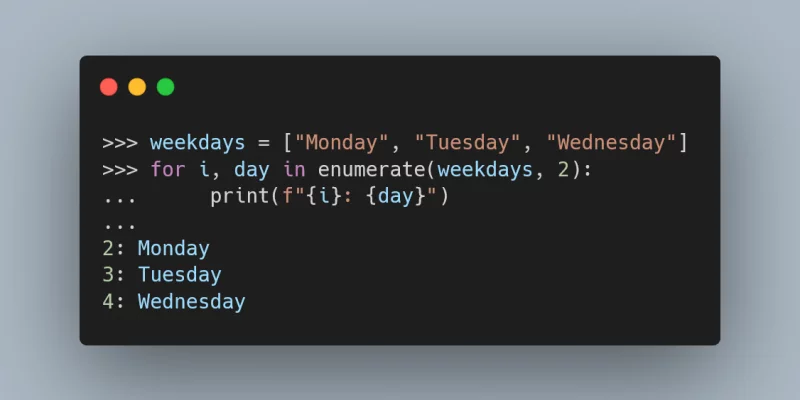
If you need to access the items of an iterable but also keep
track of their indices, have you considered using enumerate?
Let's talk about another of Python's amazing tools to work
with for loops.
In part 4 of this series we add some unit testing,
improve our tokenizer and implement the primitives ⍴ and ⍤.
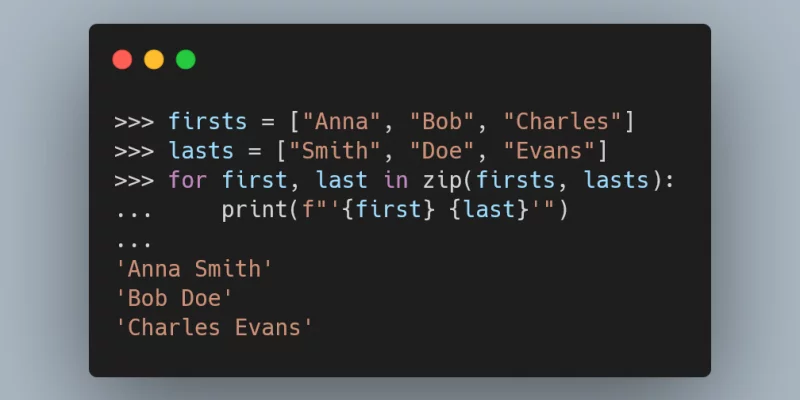
for loops are the bread and butter of imperative programming
and Python has some really nice tools to work with them.
If you want to traverse several structures in parallel,
have you considered using zip?